Eco-Friendly Packing Materials

How to Move a 3-Bedroom Home Sustainably: The Essential Guide to Eco-Friendly Packing

Moving to a new home is an exciting chapter, but it can also be a stressful and wasteful process if not approached thoughtfully. For those living in a 3-bedroom home, the amount of belongings to pack and transport can be significant, which often leads to excessive use of disposable packing materials and unnecessary waste.

If you want to make your move more sustainable and reduce your environmental footprint, adopting eco-friendly packing practices is key. This guide will walk you through essential tips to move your 3-bedroom home sustainably, helping you save resources, cut costs, and contribute to a greener planet.

Start with Decluttering and Donating

Before packing a single box, take the time to declutter your home. Moving is the perfect opportunity to sort through your belongings and decide what you truly need to take with you.

Separate items into categories such as keep, donate, recycle, and discard. Donating usable clothes, furniture, and household goods not only reduces the volume you need to move but also benefits others and keeps items out of landfills.

Recycling old or broken items responsibly further minimizes waste. The less you move, the fewer resources you consume during the process.

Choose Reusable Moving Boxes

Traditional cardboard boxes are often used once and then discarded, contributing to deforestation and landfill waste. Instead, opt for reusable moving boxes made from durable, recyclable materials.

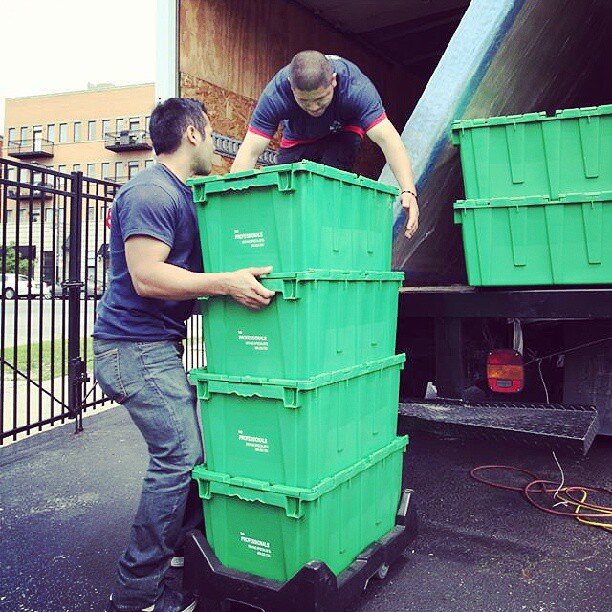
Companies like Chicago Green Box provide green moving boxes that are sturdy, stackable, and designed for multiple uses. Renting reusable boxes is an eco-friendly alternative that eliminates the need for single-use cardboard and reduces waste.

Reusable boxes also protect your belongings well and make the packing and unpacking process more efficient.

Use Sustainable Packing Materials

When it comes to cushioning and protecting fragile items, many people rely on bubble wrap or plastic packing peanuts, which are not biodegradable. Instead, choose sustainable options such as recycled paper, old newspapers, or reusable cloth towels and blankets.

These materials can provide excellent padding without harming the environment. You can also use clothing, scarves, and linens to wrap delicate items, giving your belongings a second life while reducing waste.

Avoid plastic tape and opt for paper-based tapes or reusable straps to seal your boxes.

Label Boxes Clearly and Organize Efficiently

Efficient packing reduces the number of trips and the energy consumed during your move. Label each box clearly with its contents and the room it belongs to. This helps movers place boxes directly where they belong, saving time and reducing unnecessary handling.

Organizing your belongings thoughtfully also prevents damage and the need for extra packing materials.

Plan Your Move to Minimize Carbon Footprint

Consider the logistics of your move to reduce fuel consumption and emissions. If possible, hire a moving company that uses fuel-efficient or electric vehicles.

Coordinate your packing so that the moving truck is fully loaded, avoiding multiple trips. If you are moving yourself, plan the shortest and most efficient route to your new home.

Carpooling with friends or family who are helping can also reduce the number of vehicles on the road.

Recycle and Donate Packing Materials After the Move

Once you have unpacked, think about the next step for your packing materials. Reusable moving boxes can be returned to the rental company for cleaning and reuse.

Any cardboard or paper materials should be recycled properly. If you have leftover packing materials such as blankets or towels, consider donating them to animal shelters or community organizations.

By ensuring your packing materials continue to be used or recycled, you extend their life cycle and reduce environmental impact.

Support Eco-Friendly Moving Services

Many moving companies now offer green moving options, including the use of reusable boxes and eco-conscious packing techniques. Choosing a company committed to sustainability supports environmentally responsible practices and helps reduce waste in the moving industry.

Chicago Green Box, for example, provides a zero waste packing and unpacking service that complements their reusable box rentals, making your move even greener.

Moving a 3-bedroom home sustainably requires thoughtful planning and a commitment to reducing waste. By decluttering, using reusable boxes, choosing eco-friendly packing materials, and optimizing your move logistics, you can significantly lower your environmental footprint.

Small changes in how you pack and move add up to a big difference for the planet. Embracing sustainable moving practices not only benefits the environment but often makes the process smoother and more cost-effective.

If you are ready to make your next move eco-friendly, consider partnering with companies that prioritize sustainability and offer green moving solutions. Your 3-bedroom home move can be a positive step toward a greener future.


The Environmental Impact of Moving: Practical Steps to Reduce Your Footprint

The Environmental Impact of Moving: Practical Steps to Reduce Your Footprint

Moving to a new home can significantly impact the environment, but there are effective ways to minimize this effect. By adopting sustainable practices, you can reduce waste, lower emissions, and make your move eco-friendlier.

The Role of Renewable Energy in Eco-Friendly Moving Companies: Sustainable Relocation Solutions

The Role of Renewable Energy in Eco-Friendly Moving Companies: Sustainable Relocation Solutions

As you consider transitioning to a more environmentally conscious lifestyle, you'll likely encounter the challenge of finding eco-friendly solutions across all aspects of life, including during the stressful process of moving.

The Environmental Impact of Traditional Cardboard Moving Boxes: Insights and Implications

The Environmental Impact of Traditional Cardboard Moving Boxes: Insights and Implications

When considering the environmental footprint of an average move, you may not immediately think of the humble cardboard box as a significant factor.

Top creative ideas for eco-friendly wrapping your items

You don’t have to purchase bubble wrap, packing peanuts, and cardboard boxes in order to move to a new home. You can actually use a bundle of other things that you already own, as well as products that won’t cause additional waste.

Sometimes people want to buy all new products to move their belongings and then they end up thrown away and added to the landfills. You can have an eco-friendly move that will be just as successful as a move that had money put into non-eco-friendly materials. Skip the cardboard boxes and try these eco-friendly solutions instead.

Using stuff you already own

One of the easiest ways to be eco-friendly on your move is to start looking at the things you own that can actually be utilized as a moving container or a packing protector. For example, instead of packing your suitcase, simply use it to pack things like your wardrobe or books.

eco friendly packing for a move with a suitcase

Those tote bags that you have laying around may work great for packing items like toys or kitchen utensils. That collection of garbage bags or vacuum bags in the pantry are great for packing anything lightweight and unbreakable, like pillows or curtains.

Utilize briefcases to hold electronics like laptops, CDs, or even documents. Your backpacks lying around the house will be great for packing some essentials to get you started at the new house. Use baskets and hampers to pack things like shoes, toys, or clothes. Surprisingly you can use trash cans for packing, as well as beer boxes and crates.

Alternatives to bubble wrap

Now that you are thinking outside the box on your packing boxes, you can start getting creative with alternatives to bubble wrap and packing peanuts. You likely have a stack of newspapers or magazines around the house, and rather than tossing them or packing them to take with you, they would make great packing paper for you. If you have a pile of shredded office paper that you haven’t discarded yet, you can also use that as an alternative to packing peanuts.

Look around the house for things that would help you pack better. Your linen closet is full of sheets, blankets, and towels that would be great for your fragile items. You likely have old clothes or out-of-season clothes that can help you wrap things up too.

Even things like yarn, sponges, fabric napkins, and handkerchiefs will be great for fill in empty spaces and protecting items in containers. When you go to pack your kitchen, use small bags of popcorn, beans, lentils, and peanuts to fill in empty space in moving boxes.

Choosing eco-friendly moving boxes

The best way to go eco on this move and avoid more waste is to swap your moving supply budget for renting reusable, green moving boxes. These are perfect for your move since they offer more protection than cardboard boxes and you won’t have to worry about the waste they cause. Eco-friendly moving containers can be used for your move and then picked up after you’ve unpacked. Rather than wrapping fragile items in your old clothes and putting it into a bunch of purchased cardboard boxes, you can put them into these nice, plastic containers that will stack neatly in the moving truck and once put away in your new home, it will be like it was living there the whole time.

There is no wasted purchase of boxes, shipping tape, labels, packing peanuts, or any other typical moving supply. You’ll simple wrap up your items and place them in a reusable bin until it arrives at destination.

Use these creative tips for wrapping your household goods for your upcoming move.

5 ways to reduce waste when moving

One of the biggest problems with moving from one home to another is that moving your household causes a great deal of waste. There are packing materials to consider and all of the things that may have cluttered up in the house to deal with when it’s time to move that can no longer be put off until another day.

Luckily there are some easy ways to reduce waste when moving so that you can have a more successful move without the guilt of wasting. Take a look at these five ways to reduce waste for your upcoming move.

Recycle those packing supplies

The easiest way to reduce waste when moving is to simply make a point to recycle your moving supplies after the move. You’ve likely used cardboard boxes, packing peanuts, and packing paper to move all of your household goods from one home to another.

When you arrive at the new house, it’s time to recycle or donate these items to someone who can use them rather than throwing them in the trash. It’s just as easy to recycle as it is to dispose and sometimes, there are people who would love to take your packing supplies for their own move.

A mother teaching her children about recycling

Use what you already own

Sometimes moving comes with buying supplies to move the things you have to another home when you could simply use some of the things you already own as moving supplies. For example, instead of packing your suitcases in moving boxes, why not use those suitcases to pack up dresser drawers?

Instead of packing blankets in a box, use them to wrap fragile items and save on bubble wrap. Use up newspapers, old towels, and even old t-shirts to pack. Use the things you already have as moving supplies before you purchase anything that may become waste.

Go green with your moving supplies

Another great way to reduce waste would be simply to choose reusable packing supplies through companies like Greenbox, which means you won’t have any waste at all. Using these hard containers that stack neatly in the moving truck will reduce waste, the chance of broken items, and a waste of space on moving day.

Declutter the house

One of the best ways to reduce waste for a move is to simply own fewer household goods that will need to be moved. Decluttering the house will not only allow you to pack less but will also take a weight off your shoulders too.

You’ll notice the house will start to clear up of the things you don’t need and the packing process will make more sense as you pack the things you truly want to keep in your life. Use this as an opportunity to part with things you really don’t love or use anymore.

Have a yard sale

Lastly, a yard sale is a great opportunity to get rid of things you’ve decluttered or things you’d rather get rid of in exchange for a little extra cash and less to pack. Make sure to research some easy tips to make the most of your garage sale and you’ll love getting rid of some of those extra things you don’t want any more while bringing in some extra spending money for the move.

Make your move a little less wasteful by using these five tips for reducing moving waste.