How to Move a 3-Bedroom Home Sustainably: The Essential Guide to Eco-Friendly Packing
Moving to a new home is an exciting chapter, but it can also be a stressful and wasteful process if not approached thoughtfully. For those living in a 3-bedroom home, the amount of belongings to pack and transport can be significant, which often leads to excessive use of disposable packing materials and unnecessary waste.
If you want to make your move more sustainable and reduce your environmental footprint, adopting eco-friendly packing practices is key. This guide will walk you through essential tips to move your 3-bedroom home sustainably, helping you save resources, cut costs, and contribute to a greener planet.
Start with Decluttering and Donating
Before packing a single box, take the time to declutter your home. Moving is the perfect opportunity to sort through your belongings and decide what you truly need to take with you.
Separate items into categories such as keep, donate, recycle, and discard. Donating usable clothes, furniture, and household goods not only reduces the volume you need to move but also benefits others and keeps items out of landfills.
Recycling old or broken items responsibly further minimizes waste. The less you move, the fewer resources you consume during the process.
Choose Reusable Moving Boxes
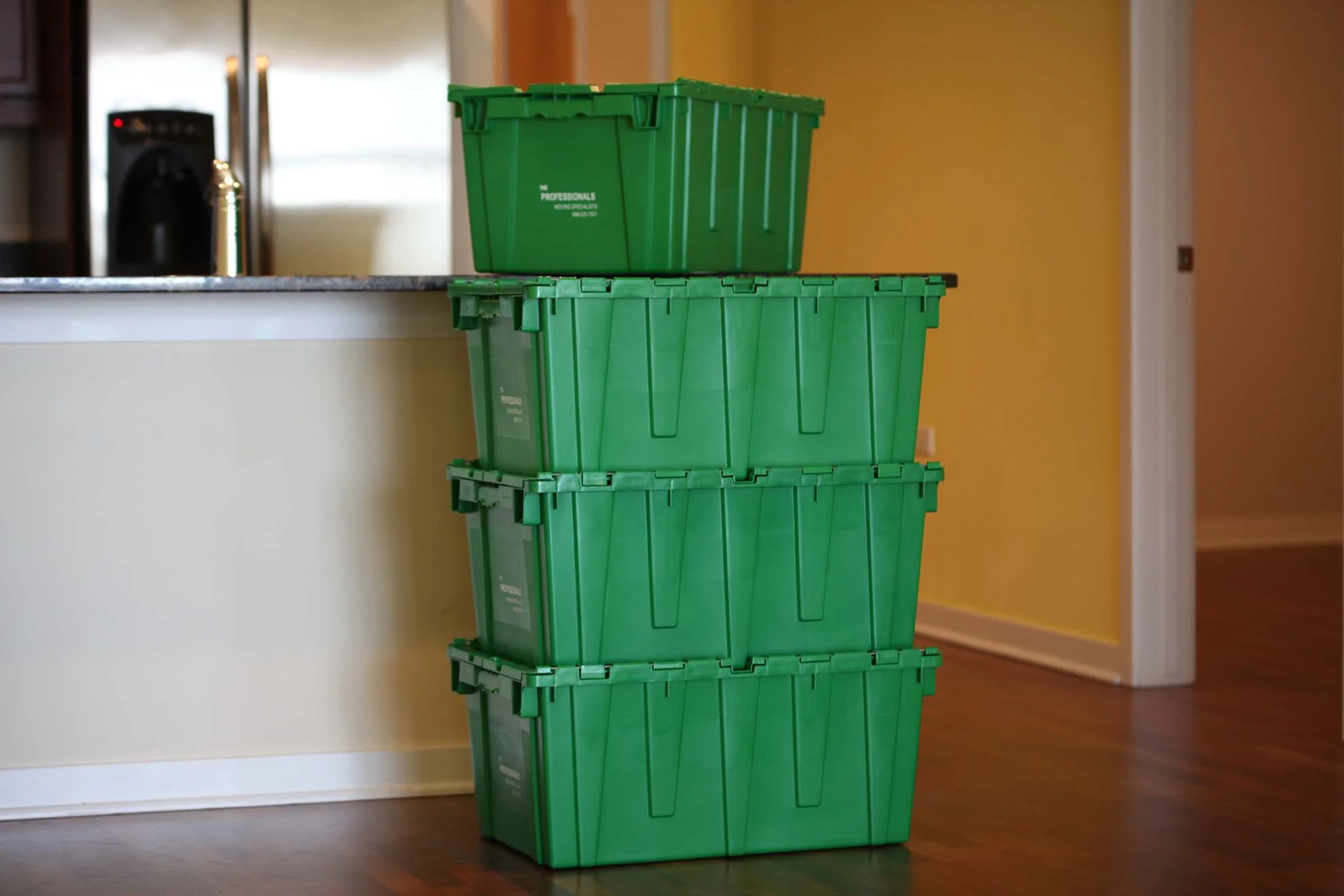
Traditional cardboard boxes are often used once and then discarded, contributing to deforestation and landfill waste. Instead, opt for reusable moving boxes made from durable, recyclable materials.
Companies like Chicago Green Box provide green moving boxes that are sturdy, stackable, and designed for multiple uses. Renting reusable boxes is an eco-friendly alternative that eliminates the need for single-use cardboard and reduces waste.
Reusable boxes also protect your belongings well and make the packing and unpacking process more efficient.
Use Sustainable Packing Materials
When it comes to cushioning and protecting fragile items, many people rely on bubble wrap or plastic packing peanuts, which are not biodegradable. Instead, choose sustainable options such as recycled paper, old newspapers, or reusable cloth towels and blankets.
These materials can provide excellent padding without harming the environment. You can also use clothing, scarves, and linens to wrap delicate items, giving your belongings a second life while reducing waste.
Avoid plastic tape and opt for paper-based tapes or reusable straps to seal your boxes.
Label Boxes Clearly and Organize Efficiently
Efficient packing reduces the number of trips and the energy consumed during your move. Label each box clearly with its contents and the room it belongs to. This helps movers place boxes directly where they belong, saving time and reducing unnecessary handling.
Organizing your belongings thoughtfully also prevents damage and the need for extra packing materials.
Plan Your Move to Minimize Carbon Footprint
Consider the logistics of your move to reduce fuel consumption and emissions. If possible, hire a moving company that uses fuel-efficient or electric vehicles.
Coordinate your packing so that the moving truck is fully loaded, avoiding multiple trips. If you are moving yourself, plan the shortest and most efficient route to your new home.
Carpooling with friends or family who are helping can also reduce the number of vehicles on the road.
Recycle and Donate Packing Materials After the Move
Once you have unpacked, think about the next step for your packing materials. Reusable moving boxes can be returned to the rental company for cleaning and reuse.
Any cardboard or paper materials should be recycled properly. If you have leftover packing materials such as blankets or towels, consider donating them to animal shelters or community organizations.
By ensuring your packing materials continue to be used or recycled, you extend their life cycle and reduce environmental impact.
Support Eco-Friendly Moving Services
Many moving companies now offer green moving options, including the use of reusable boxes and eco-conscious packing techniques. Choosing a company committed to sustainability supports environmentally responsible practices and helps reduce waste in the moving industry.
Chicago Green Box, for example, provides a zero waste packing and unpacking service that complements their reusable box rentals, making your move even greener.
Moving a 3-bedroom home sustainably requires thoughtful planning and a commitment to reducing waste. By decluttering, using reusable boxes, choosing eco-friendly packing materials, and optimizing your move logistics, you can significantly lower your environmental footprint.
Small changes in how you pack and move add up to a big difference for the planet. Embracing sustainable moving practices not only benefits the environment but often makes the process smoother and more cost-effective.
If you are ready to make your next move eco-friendly, consider partnering with companies that prioritize sustainability and offer green moving solutions. Your 3-bedroom home move can be a positive step toward a greener future.
How the Circular Economy Is Changing the Moving Industry
Best Local Donation & Recycling Centers in Chicago for Movers
How to Donate, Sell, & Recycle Unwanted Items
One of the best parts of moving is the opportunity to declutter. As you pack, you’ll likely come across items you no longer need—clothes that don’t fit, furniture that won’t work in your new space, or gadgets collecting dust. Instead of tossing everything in the trash, you can give your belongings a second life through donation, resale, or recycling.
Eco-Friendly Packing Hacks Using Items You Already Own
The ROI of Sustainable Moving: Environmental & Cost Benefits
Sanitation Tips: Keeping Boxes Clean Between Moves for Hassle-Free Relocation
Keeping your moving boxes clean and sanitized can protect your belongings from dust, germs, and unexpected spills during the transition between homes. By regularly wiping down boxes, using liners, and storing them in a clean, dry area, you minimize contamination and ensure your items stay safe for the next move. This simple routine can prevent unwanted surprises when unpacking or moving your items again.
Even when boxes are in temporary storage, they're vulnerable to accumulating dirt and bacteria. Using breathable covers or plastic tubs, lining boxes with plastic bags, and cleaning storage areas are easy steps that make a big difference. With a few practical habits, you can keep your moving boxes clean until you're ready to use them again.
Essential Sanitation Tips for Keeping Boxes Clean
Keeping your moving boxes clean involves using protective materials, disinfecting surfaces before and during packing, and establishing routines that prevent contamination during the moving process. By combining thorough preparation, regular cleaning, and post-move maintenance, you can protect your belongings from dirt, spills, and bacteria at each stage.
Preparing Packing Materials for Sanitation
Begin by selecting new or clean packing materials whenever possible. Avoid using boxes from grocery stores or other sources where contact with food or pests is likely. Choose sturdy cardboard boxes and plastic bins that show no signs of mold, water damage, or odors.
Line boxes, especially if they will hold cleaning supplies or liquids, with plastic bags or liners. This creates a barrier to contain leaks and prevent moisture from seeping through. Securely tape all seams and reinforce any weak points to limit exposure to dust and dirt during the move.
Have disinfectant wipes, sprays, and gloves available while packing. Wipe down all surfaces of your packing materials before use to remove lingering dust or contaminants. Focusing on prevention at this stage saves time and effort later and keeps your items safer.
Cleaning Cardboard Boxes and Plastic Bins Before Use
Before you pack, inspect each cardboard box and plastic bin for cleanliness. Use a vacuum to remove loose dirt or debris from crevices and corners. For cardboard, lightly brush off dust without using excessive moisture, as water can weaken the structure.
Plastic bins should be washed with warm, soapy water and thoroughly dried to prevent mold growth. Sanitize all surfaces with a disinfectant spray or a mixture of water and vinegar. Pay special attention to handles and lids, where germs often accumulate.
Allow boxes and bins to dry completely before use. Stack and store them in a clean, dry area, away from pets or possible contaminants. Proper cleaning at this stage helps prevent odors and stains from transferring to your belongings.
Ongoing Cleaning During the Moving Process
During the move, routine cleaning helps maintain overall sanitation. Keep hand sanitizer or disinfectant wipes on hand, and use them before and after touching moving boxes, especially for high-touch areas like handles and lids. Place cleaning supplies in a separate, easily accessible box.
Schedule quick wipe-downs of boxes and bins at each loading and unloading point. If boxes are placed on the ground or exposed to rain, dry and sanitize them as soon as possible. Use towels or packing paper to fill empty spaces and limit dust entry.
Open windows and leave doors ajar during moving to increase airflow, minimizing moisture buildup and odors. Monitor for any visible spills or dirt and address them immediately, rather than letting residues build up throughout the move.
Maintaining Box and Area Cleanliness After the Move
After the move, inspect all boxes and bins. Discard or recycle any that have become damaged, damp, or moldy. For reusable bins, wash and disinfect the interiors and exteriors once again, then dry them thoroughly.
Set aside time for a final move-out cleaning of your moving area. Vacuum and mop floors where boxes were stored, and clean shelves, closets, or storage spaces before placing boxes inside. This helps remove lingering dust and prevent pests from settling in your new space.
If you plan to reuse packing materials, flatten and store them in a dry, clean area. Label boxes that have held cleaning or hazardous supplies, and never use them for food or sensitive items in the future. This ongoing attention to hygiene keeps your new home organized and protects your belongings long-term.
Maximizing Cleanliness and Organization for a Successful Move
Cleanliness and order help protect your belongings and simplify unpacking. Start by reducing clutter, then plan how you pack and store items to avoid dirt and confusion.
Decluttering and Packing Tips for Cleaner Moves
Before you pack, go through each room and remove items you no longer need. Use donation bins and trash bags to keep purged items separate.
Focus on decluttering closets, kitchen drawers, and storage areas first. Reducing the number of unnecessary belongings means fewer boxes to handle and keep clean. If you want to maximize space, try rolling clothes, stacking books by size, and wrapping delicate dishes in towels to minimize packing materials.
A moving box calculator helps you estimate the right quantity and size of boxes, preventing overstuffing or waste. Using clear bins or renting plastic moving boxes can keep contents protected from moisture and dust between moves.
A simple packing plan—created on paper or using a packing app—ensures you don't forget key cleaning supplies, essential documents, and cleaning kits for each area.
Best Storage Solutions for Clean and Organized Boxes
Select sturdy containers and stackable bins for both short- and long-term storage. If you need to store boxes before or after a move, keep them off the floor using shelves or pallets to avoid moisture, pests, and dirt.
Consider renting moving boxes for durability and cleanliness; they are typically easier to sanitize before use. For long-term storage, wrap items in plastic or use airtight storage totes to reduce dust and mildew risk.
Avoid overfilling boxes, which can cause breakage or invite pests. Organize boxes by weight and content type, storing heavier items on the bottom and fragile or sensitive contents on top. Consider using large labels or color-coded tape for quick access and inventory.
Labeling and Planning for a Hygienic Moving Experience
Clearly label each box with its contents, destination room, and any cleaning needs. Use waterproof markers or printed labels to avoid smudging or confusion.
Keep a box with cleaning supplies—like wipes, gloves, recycling bags, and a duster—easily accessible for last-minute cleaning. Set aside essentials such as a broom, mop, and rags for final touch-ups and wiping down surfaces before you leave.
Make a checklist in your packing app or notebook to track which boxes are packed, cleaned, and ready to go. Using this system helps prevent mix-ups and ensures that high-touch or sensitive items, like kitchenware or electronics, arrive sanitized and organized.