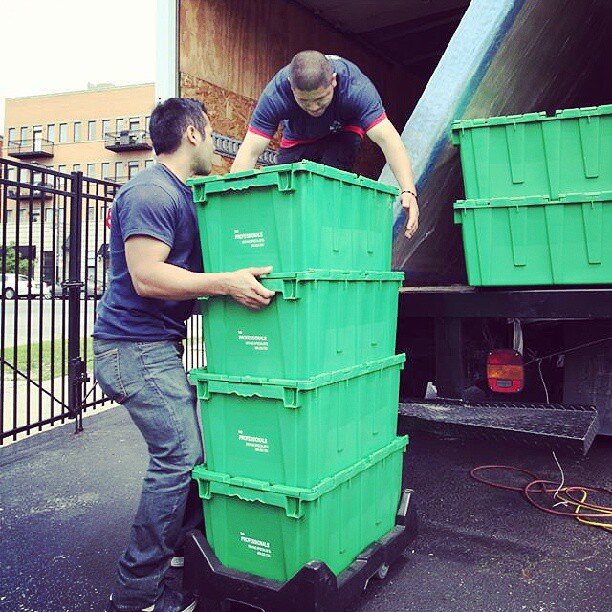
How Much Does It Cost to Rent Green Moving Boxes in Chicago?

If you are planning a move in Chicago, one of the first questions you have is simple: how much will boxes cost? Cardboard adds up faster than most people expect, and reusable green boxes can save you money while keeping waste out of landfills. The green moving box rental cost in Chicago is straightforward, with no hidden fees and free delivery within a 10-mile radius of our facility. This guide breaks down what you actually pay, what is included in your rental, and how green boxes compare to buying cardboard. By the end, you will know exactly what to budget for your move.

What Does Green Moving Box Rental Cost in Chicago?

Our pricing starts at $120 for 20 boxes, which is the minimum order. That price covers the boxes, free delivery, and free pickup if you are within 10 miles of our facility at 3918 N Western Ave. Larger packages (40, 60, and 80 boxes) are available, and you can contact us for a custom quote if you need a bigger order or service beyond the standard radius.

Every rental runs for up to four weeks. That gives you time to pack at your old place, move, and unpack at the new one without rushing. If you need extra time, additional fees apply per week. We accept Visa, Mastercard, and Discover.

What Is Included in Your Rental

Your rental fee covers more than just the boxes. Here is what you get:

  • Pre-assembled, sanitized boxes delivered straight to your door

  • Free delivery and pickup within the 10-mile radius

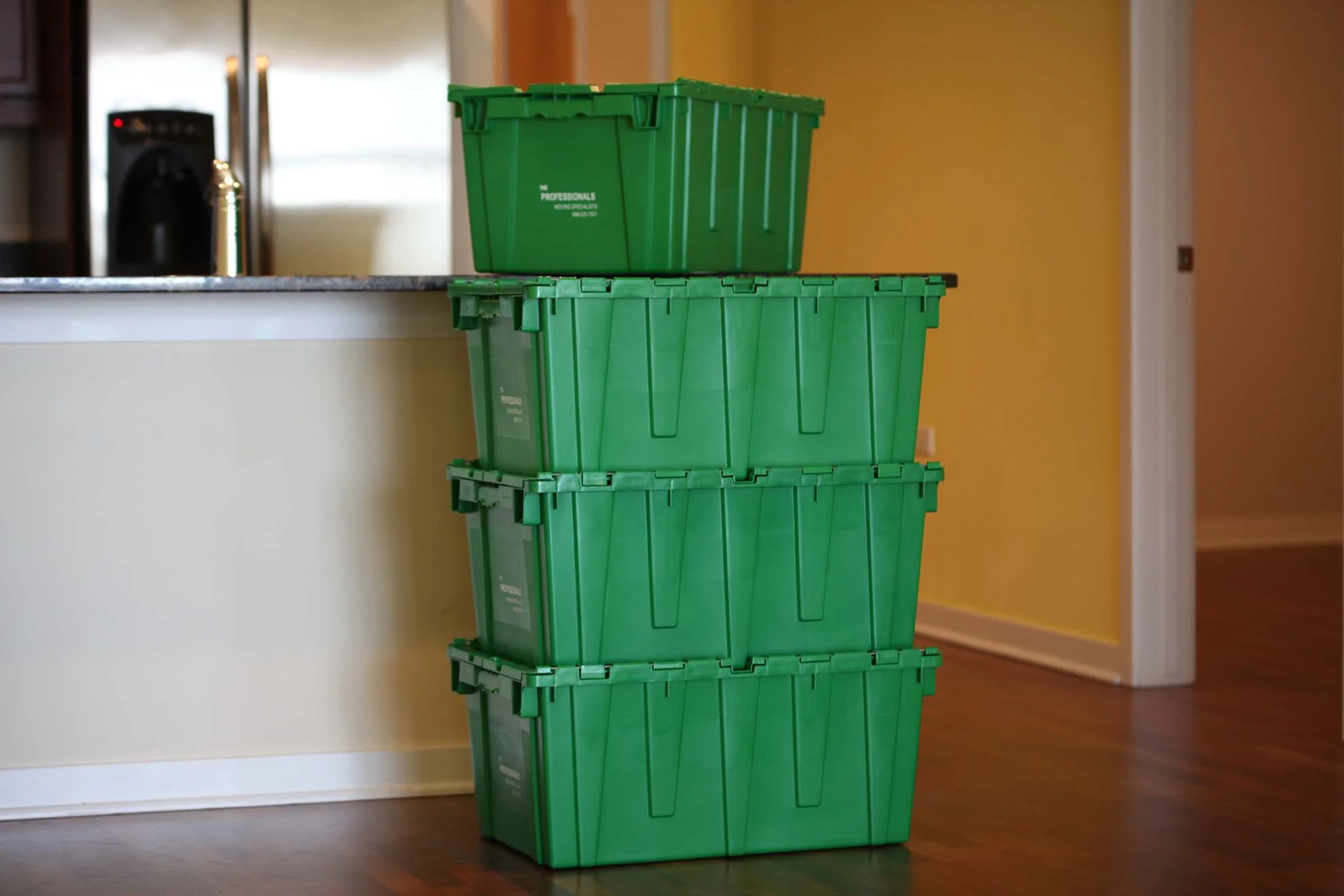
  • No tape or assembly needed: the lids snap shut and the boxes are ready to load

  • Stackable, water-resistant plastic boxes that hold up to 100 lbs each

  • Pickup from your new location after the move is done

There is no charge for assembly time, no recycling trip after, and no surprise fees. You pay one price and the rest is handled.

How Many Boxes Do You Actually Need?

The right package depends on the size of your home. Here is a simple guide based on what most movers use:

  • Studio apartment: 20 boxes (the minimum order)

  • One-bedroom: 30 to 40 boxes

  • Two-bedroom: 40 to 60 boxes

  • Three-bedroom: 60 to 80 boxes

If you are not sure, it is better to order a few extra than to run out mid-pack. To see how the full process works from order to pickup, check our first-time green box rental guide.

Green Box Rental vs. Buying Cardboard: The Real Cost

The sticker price of cardboard looks cheaper at first. A medium box at Home Depot or U-Haul runs about $2 to $3, so 20 boxes might cost $40 to $60. But cardboard has hidden costs that pile up fast.

The Hidden Costs of Cardboard

When you buy cardboard, you also need:

  • Packing tape: $5 to $15 for a roll or two

  • Bubble wrap or packing paper: $10 to $20

  • Labels and markers: $5 to $10

  • Time to assemble each box: about one to two hours total

  • Time to break down and dispose of boxes after the move: another one to two hours

  • A trip to the recycling center (or a stack of cardboard taking over your new place)

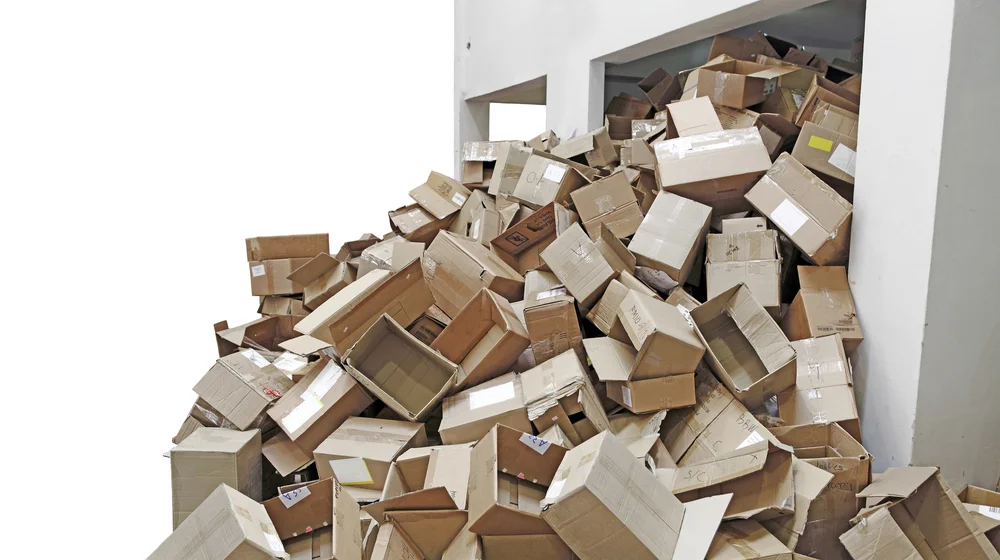
Add it up and that “cheap” cardboard run climbs to $70 to $100 for a small move, plus three to four hours of your time. Cardboard also collapses in rain or humidity, and a wet Chicago move day can turn a stack of boxes into a soggy mess.

Total Cost Scenarios for Chicago Moves

Here is how the math plays out for common Chicago moves:

  • Studio (20 boxes): Green box rental is $120 flat. Cardboard equivalent runs about $70 to $90 plus supplies and time.

  • One-bedroom (30 to 40 boxes): Green box rental scales with the package size you choose. Cardboard plus supplies easily hits $100 to $160, with several hours of extra work.

  • Two-bedroom (40 to 60 boxes): Cardboard for a move this size adds up quickly, especially with the tape, paper, and disposal headaches. A green box package keeps it simple.

  • Three-bedroom (60 to 80 boxes): This is where green boxes really shine. You skip the trip to buy 80 boxes and the post-move cardboard mountain entirely.

For a deeper breakdown of the trade-offs, see our reusable moving boxes vs. cardboard comparison.

What You Are Really Paying For (Beyond the Price)

The dollar cost is only part of the picture. When you rent green boxes, you are also paying for convenience, durability, and a smaller environmental footprint.

Convenience and Time Savings

Cardboard takes time you do not have during a move. You drive to the store, load up on flat boxes, drive home, fold and tape each one, and then pack. After the move, you break them down again and figure out how to recycle them. Green boxes show up pre-assembled and stack flat after pickup. That is two to four hours of your weekend you get back.

Better Protection for Your Stuff

Each green box holds up to 100 lbs, which is more than double what a typical cardboard box can manage. The hard plastic sides do not crush, and the lids stay sealed. Books, dishes, and electronics ride safer. The boxes are also water-resistant, so a sudden Chicago rainstorm on moving day will not soak your belongings.

Environmental Impact

The EPA reports that paper and paperboard make up about 23% of municipal solid waste sent to landfills (see the EPA Facts and Figures report). Used cardboard moving boxes are a big part of that. Each green box can be reused up to 400 times before it is recycled, which keeps a lot of waste out of the landfill. If your sister move involves a full-service crew, our partner The Professionals Moving Specialists offers green moving services that pair perfectly with green box rentals.

Tips to Get the Most Value From Your Rental

A few simple choices stretch your rental dollars further.

Order the Right Package the First Time

Running short on boxes mid-pack is stressful. Use the size guide above and round up if you are between sizes. The cost of a slightly bigger package is less than the time you lose tracking down extra boxes.

Pack and Move Within the Four-Week Window

Your rental period is up to four weeks. Plan your packing, moving, and unpacking schedule so you return the boxes on time. If a delay is unavoidable, contact us early so we can adjust your pickup. For help mapping out the timeline, our Chicago moving checklist walks through every week.

Stack Empty Boxes by the Door for Pickup

After you unpack, place the empty boxes near your front door or in a clear spot. The pickup team grabs them quickly, and you avoid any extra-time fees. There is no breakdown, no tape to peel, and nothing to drive to the recycling center.

Combine With a Full-Service Mover for Bigger Jobs

If you are moving a larger home or office, pair the box rental with a professional moving company. Many Chicago movers, including The Professionals Moving Specialists, work directly with green boxes because the uniform shape loads trucks more efficiently. That can shave time off the moving crew’s bill.

Common Questions About Green Moving Box Rental Cost in Chicago (FAQ)

Q: How much does it cost to rent green moving boxes in Chicago? A: Rental starts at $120 for 20 boxes, which is our minimum order. Larger packages (40, 60, and 80 boxes) are available, and free delivery and pickup are included within a 10-mile radius of our Chicago facility.

Q: Are there any extra fees with a green box rental? A: The base price covers boxes, delivery, and pickup. Extra fees only apply if you keep the boxes past the four-week rental window, request delivery beyond the 10-mile radius, or add accessories like wardrobe boxes.

Q: How does green box rental cost compare to buying cardboard boxes? A: Cardboard looks cheaper up front, but once you add tape, packing paper, assembly time, and disposal, the totals are usually similar or higher. Green boxes also protect your belongings better and produce zero waste.

Q: How long is the rental period? A: The standard rental period is up to four weeks (one month). That covers most moves with time to spare. If you need longer, we charge a small fee for additional days or weeks.

Q: What payment methods are accepted? A: We accept Visa, Mastercard, and Discover. American Express is not currently accepted. You can pay online when you place your order through our order page.

Conclusion

The green moving box rental cost in Chicago is simple: $120 for 20 boxes, with bigger packages available and free delivery and pickup within 10 miles. That price includes pre-assembled, sanitized, water-resistant boxes that hold up to 100 lbs each, plus pickup at your new place when you are done. Compared to cardboard, you save time, protect your belongings better, and skip the disposal headache entirely. Whether you are moving to a studio in Lakeview or a three-bedroom in the suburbs, green boxes give you a clear, all-in price. Ready to book? Order your green moving boxes online in under five minutes.


Winter Moving in Chicago: How to Survive a Cold-Weather Move Without the Stress
Winter Moving in Chicago: How to Survive a Cold-Weather Move Without the Stress

A Chicago winter move is its own kind of project. Snow on the sidewalk, ice on the truck ramp, wind whipping off the lake, and a forecast that can flip from 35 degrees to a windchill of 10 below in 24 hours. Cardboard boxes that worked fine in July fall apart fast in January.


Moving on a Budget in Chicago: Save Money on Every Part of Your Move

Moving in Chicago is expensive enough without overpaying for things you can avoid. Between security deposits, first and last month’s rent, mover fees, parking permits, and all the little costs that add up faster than you expect, a single apartment move can easily run over two thousand dollars.

The good news is that almost every line item on your moving budget has room for savings. You just need to know where to look. This guide breaks down every major cost of a Chicago move and gives you practical, Chicago-specific ways to cut each one. Whether you are moving across town from Wicker Park to Logan Square or heading from a downtown high-rise to a quieter neighborhood, these cheap moving tips for Chicago will help you keep more money in your pocket.

Pick the Right Time to Move and Save Hundreds

The single biggest factor in what your Chicago move will cost is when you do it. Most people do not realize how dramatically pricing shifts based on timing, but it is one of the easiest ways to save money moving.

Move During the Off-Season

Chicago’s peak moving season runs from May through September. During these months, moving companies charge premium rates because demand is high. If you have any flexibility at all, schedule your move between October and April. Winter moves are the cheapest, and while nobody loves carrying boxes in January, your wallet will thank you.

You can often save 20 to 30 percent on mover rates just by shifting into the off-season. Movers also tend to have more availability, which means you are more likely to get your preferred date and time.

Move Mid-Month and Mid-Week

Leases in Chicago typically start and end on the first of the month. That means the last weekend of every month is the busiest and most expensive time to move. If you can move mid-month on a Tuesday, Wednesday, or Thursday, you will pay significantly less.

Weekend rates are almost always higher than weekday rates. Even shifting your move from a Saturday to a Monday can make a difference. Ask your moving company about their pricing for different days and you may be surprised at the gap.

Save on Moving Supplies with Reusable Green Boxes

Moving supplies are one of those costs that seem small until you start adding them up. A stack of cardboard boxes, packing tape, bubble wrap, markers, and packing paper can easily run $150 or more for a one-bedroom apartment. And when the move is over, you are stuck breaking down and recycling all that cardboard, or worse, sending it to a landfill.

Why Reusable Moving Boxes Are the Budget-Friendly Choice

Renting reusable moving boxes is one of the smartest affordable moving Chicago decisions you can make. With The Chicago Green Box, you get 20 sturdy, stackable plastic crates for $120, delivered right to your door with free delivery and pickup included.

Compare that to the cardboard route. A typical one-bedroom move requires 20 to 30 boxes, plus three to four rolls of tape, packing paper, and bubble wrap. That runs $80 to $150 or more, and you still have to go find the boxes, assemble them, tape them, and then deal with disposal afterward. With reusable green boxes, there is no assembly, no tape needed, and no waste to deal with when you are done.

These are not flimsy bins either. Each box is 27 by 17 by 12 inches with a 100-pound capacity, and they are made from 100 percent recyclable plastic built for up to 400 uses. They are waterproof, which matters more than you think if you have ever moved during a Chicago rainstorm in April. You can learn more about how the whole process works on the How Chicago Green Box Works page.

Plus, according to the EPA, non-recycled cardboard contributes to roughly 28 percent of landfill materials. So going with reusable boxes saves you money and keeps waste out of the landfill. That is a win on both sides.

Get the Best Deal on a Moving Company

Hiring professional movers is usually the biggest single expense in any move. But there are several ways to bring that cost down without sacrificing quality.

Get at Least Three Quotes

Never go with the first moving company you contact. Get at least three written estimates so you can compare pricing and services. Ask each company for both hourly and flat-rate options, and make sure the quote includes everything — stair fees, long carry charges, fuel surcharges, and any other add-ons.

When comparing quotes, do not just look at the bottom line number. A cheaper hourly rate can end up costing more if the crew is slow. Ask how many movers will be on your crew and how long they estimate the job will take.

Verify Licensing and Insurance

This is not just a quality check — it protects your budget too. In Illinois, all moving companies must be licensed by the Illinois Commerce Commission (ICC). An unlicensed mover might quote you a low price upfront and then hit you with surprise charges on moving day. Or worse, your belongings could be damaged with no insurance to cover it.

Always ask for the company’s ICC license number and verify it before signing anything. Check online reviews and look for companies with a strong track record. For example, The Professionals Moving Specialists is a family-owned Chicago mover with over 4,500 Google reviews and an A+ BBB rating. Getting a quote from an established, well-reviewed company is the best way to avoid budget surprises.

Ask About Discounts

Many moving companies offer discounts that they do not actively advertise. Ask about senior discounts, military discounts, off-season pricing, and mid-week rates. Some companies also offer a discount if you book your packing and moving together. It never hurts to ask.

Know When to DIY and When to Hire Pros

One of the biggest budget decisions you will make is whether to hire professional movers or handle the move yourself. Both options have real costs, and the cheapest choice depends on your specific situation.

When a DIY Move Makes Sense

If you are moving a studio or small one-bedroom apartment without heavy furniture, a DIY move can save you a lot. Rent a truck, recruit a couple of friends, and handle it yourself. Truck rentals in Chicago run anywhere from $30 to $100 per day depending on the size, plus mileage and fuel.

A DIY move works best when you have minimal furniture, no flights of stairs, and a short distance between your old and new places. It also helps to have friends who are willing to actually show up on moving day.

When Hiring Movers Is Worth the Money

If you have heavy furniture, a walk-up apartment with multiple flights of stairs, or a move across the metro area, hiring movers almost always saves you money in the long run. The risk of injury, damaged furniture, and the sheer time cost of a difficult DIY move adds up fast.

Professional movers bring the right equipment, know how to navigate tight Chicago staircases and hallways, and can get the job done in a fraction of the time. For most one-bedroom moves with standard furniture, a professional crew will run $400 to $800 depending on distance and complexity. That is a real cost, but it buys you speed, safety, and sanity.

Handle Chicago Parking Permits the Right Way

If your moving truck needs to park on a public street at either your current or new address, you will need a temporary parking permit from the City of Chicago. This is one of those Chicago-specific costs that catches a lot of people off guard.

A City of Chicago temporary moving permit costs approximately $25 per day. You will need one for each location if both addresses require street parking for the truck. Submit your request through the city’s 311 service portal or by calling 311 at least a few weeks before your move.

The permit gives you reserved street space and comes with “No Parking” signs you post 24 to 48 hours ahead of time. Without a permit, your movers may have to double-park or circle the block looking for spots, which wastes their time and your money. If you are paying by the hour, a parking headache can easily add $50 to $100 to your moving bill. Spending $25 on the permit is a smart budget move.

If your building has a private loading dock or driveway, you may not need a street permit. Check with your building management ahead of time.

Schedule Utilities to Avoid Paying Double

One of the most overlooked budget traps in any move is paying for utilities at two addresses at the same time. If you disconnect your old service too early, you are stuck without power or gas. If you wait too long, you are paying double.

Coordinate Your Disconnect and Connect Dates

The goal is to schedule your utility disconnect at your old address and your new service activation for the same day, ideally your moving day. For a Chicago move, you will need to coordinate with several providers.

  • Electric: Contact ComEd to transfer or set up service

  • Gas: Contact Peoples Gas or Nicor Gas depending on your area

  • Water: Set up through the City of Chicago Department of Water Management

  • Internet and cable: Schedule installation with your provider at least two weeks in advance, as wait times can be long

A few days of overlap is normal, especially with internet installation timelines. But a full month of double utility payments can add $150 to $300 to your moving costs unnecessarily. Plan ahead and schedule transfers early.

Declutter Before You Move to Cut Costs

Here is a simple rule of thumb for a budget move: the less you own, the less your move costs. Fewer items mean fewer boxes, less truck space, and less time for your movers. Every item you get rid of before moving day saves you money.

Start Early and Be Ruthless

Go room by room at least four to six weeks before your move. Sort everything into keep, sell, donate, and toss piles. Be honest with yourself. If you have not used something in the past year, it probably does not need to make the trip to your new place.

Sell items on Facebook Marketplace, Craigslist Chicago, or OfferUp. Donate usable items to local organizations like Brown Elephant, The Salvation Army, or local shelters. For large items you cannot sell or donate, schedule a junk removal pickup.

The Real Math on Decluttering

Think about it this way. If you are renting moving boxes, fewer items mean you need fewer boxes. If you are hiring movers, fewer items mean less time on the clock. Even if you are doing a DIY move, fewer items mean a smaller truck and fewer trips. Decluttering does not just make your new home cleaner — it directly reduces every major cost of your move.

The FAQ page at The Chicago Green Box can help you figure out exactly how many boxes you need for your apartment size, so you only order what you actually need.

Sample Budget for a 1-Bedroom Chicago Apartment Move

Seeing all the costs in one place helps you plan and spot areas where you can save. Here is a realistic budget template for a one-bedroom apartment move within the Chicago metro area.

Expense

Budget Option

Standard Option

Moving company (local, 2 movers, 3-4 hours)

DIY truck rental: $75–$120

Professional movers: $450–$700

Moving boxes and supplies

Reusable green boxes (20 boxes): $120

Cardboard boxes + tape + supplies: $100–$175

Parking permits (2 locations)

$50

$50

Utility overlap (electric, gas, internet)

Minimal overlap: $0–$50

Unplanned overlap: $150–$300

Cleaning (old apartment)

DIY cleaning: $25–$50

Professional cleaning: $150–$250

Renter’s insurance update

$0–$25

$0–$25

Tips for movers

N/A (DIY)

$40–$100 (15–20% or $20–$25/mover)

Miscellaneous (locks, odds and ends)

$25–$50

$50–$100

Total Estimated Cost

$295–$465

$990–$1,700

The gap between the budget option and the standard option is significant. You do not have to go fully DIY to save money either. A hybrid approach — hiring movers for the heavy lifting and handling packing and supplies yourself with reusable green boxes — often hits the sweet spot between savings and sanity.

Put It All Together: Your Budget Move Action Plan

Saving money on a Chicago move is not about any single trick. It is about making smart choices at every step. Here is a quick summary of the most impactful savings.

  1. Move off-peak — Schedule for mid-week and mid-month during the off-season for the lowest mover rates

  2. Rent reusable boxes — Skip the cardboard and get a complete set of sturdy, stackable green boxes delivered to your door

  3. Get multiple quotes — Compare at least three licensed moving companies before committing

  4. Declutter first — Fewer belongings means fewer boxes, less truck space, and lower mover fees

  5. Handle permits early — A $25 parking permit prevents expensive parking delays on moving day

  6. Coordinate utilities — Schedule disconnect and connect for the same day to avoid double billing

You do not have to sacrifice quality to stick to a budget. With the right timing, the right supplies, and a solid plan, you can have a smooth, affordable moving experience in Chicago.

If you are ready to check one of the easiest items off your list, you can order your reusable green moving boxes online in about two minutes. Pick your delivery date, and they show up at your door ready to pack. When your move is done, they pick them up for free. It does not get much simpler than that.

For businesses or offices planning a move, The Chicago Green Box also offers commercial moving box rentals with larger quantities and flexible rental terms.


Reusable Moving Boxes vs Cardboard: The Real Cost Comparison

Reusable Moving Boxes vs Cardboard: The Real Cost Comparison

If you are planning a move in Chicago, you have probably asked yourself the same question thousands of other people search every month: should I use reusable moving boxes or stick with cardboard? It is a fair question. Cardboard has been the default for decades, and reusable plastic moving boxes are still a newer concept for a lot of people.

How to Plan a Zero-Waste Move

Moving to a new home is exciting, but it’s also one of the most wasteful processes most people go through. Between piles of cardboard boxes, plastic wrap, and unwanted items, a typical move can generate a surprising amount of trash. Fortunately, with a little planning and the right approach, it’s entirely possible to move without leaving a trail of waste behind. 

A zero-waste move not only helps the environment but also makes the process more organized and cost-effective. Here’s how to plan a move that’s efficient, eco-friendly, and completely free of unnecessary waste.

Start by Decluttering Responsibly

Before packing a single box, take time to declutter your home. The less you have to move, the easier it is to stay organized and reduce waste. Go room by room and separate your belongings into categories: keep, donate, sell, and recycle.

Items in good condition can be donated to local charities, shelters, or community organizations. You can also host a garage sale or use online marketplaces to give your belongings a second life. For anything that’s broken or unusable, check local recycling programs for proper disposal options. Many cities offer recycling services for electronics, textiles, and household goods.

By decluttering responsibly, you’ll minimize what you need to pack and ensure that fewer items end up in landfills.

Choose Reusable Moving Boxes

One of the biggest sources of waste during a move comes from cardboard boxes. While recyclable, cardboard often ends up damaged, contaminated, or discarded after a single use. Instead of relying on disposable boxes, choose reusable moving containers.

Durable plastic moving boxes, like those offered by The Chicago Green Box, are a sustainable alternative that can be used again and again. They’re sturdy, stackable, and easy to transport, eliminating the need for tape and excess packing materials. Plus, they’re delivered directly to your door and picked up after your move, making the process simple and waste-free.

Use Eco-Friendly Packing Materials

Traditional packing supplies like bubble wrap and foam peanuts are difficult to recycle and often end up in the trash. Fortunately, there are plenty of eco-friendly alternatives. Use what you already have—towels, blankets, and clothing make excellent padding for fragile items. You can also use shredded paper, biodegradable packing peanuts, or recycled packing paper for extra protection.

If you do need to purchase packing materials, look for recyclable or compostable options. After your move, save and reuse these materials for future use or donate them to someone else who’s moving.

Plan Efficient Transportation

Reducing waste isn’t just about materials—it’s also about minimizing your carbon footprint. Plan your move strategically to reduce the number of trips you need to make. If you’re hiring a moving company, choose one that uses fuel-efficient vehicles or offers carbon offset programs.

For local moves, consider scheduling during off-peak traffic hours to avoid unnecessary idling and fuel consumption. If you’re moving long-distance, try to consolidate your belongings into a single trip and avoid shipping items separately when possible.

Set Up a Sustainable New Home

Once you’ve arrived at your new place, keep the zero-waste mindset going. Unpack carefully and reuse your packing materials for storage or future moves. Recycle anything that can’t be reused, and donate leftover supplies to others who may need them.

As you settle in, set up systems that make sustainable living easy—like composting bins, recycling stations, and energy-efficient appliances. Moving is the perfect opportunity to start fresh with greener habits.

Make It a Community Effort

Zero-waste moving doesn’t have to be a solo effort. Encourage friends, family, and neighbors to adopt sustainable moving practices too. Share your reusable boxes, lend packing materials, or trade supplies to reduce waste collectively.

By spreading awareness and leading by example, you can help make eco-friendly moving the new standard in your community.

Moving Toward a Greener Future

A zero-waste move takes a little extra planning, but the benefits are worth it. You’ll save money, reduce clutter, and protect the environment—all while making your move smoother and more efficient.

At The Chicago Green Box, we believe that moving doesn’t have to come at the planet’s expense. With reusable boxes and smart planning, you can make your next move truly sustainable—one box at a time.

Reusable Movers Crates vs. Cardboard: Safety, Durability, User Reviews

Reusable Movers Crates vs. Cardboard: Safety, Durability, User Reviews

When planning a move, one of the first decisions you’ll face is what kind of boxes to use. For decades, cardboard has been the go-to choice. But today, more and more people are turning to reusable movers crates—like the durable green boxes we provide at The Chicago Green Box—as a smarter, safer, and more sustainable alternative.